Kenya Airways is putting a larger Boeing 777 back on its Nairobi-London Heathrow route. That single fleet change matters more than it sounds. For anyone planning a Kenya safari from the UK, the kenya airways nairobi london flight is often the first booking made and the one that sets the whole trip’s budget and timing. Touring Insights breaks down what the bigger aircraft actually changes, in plain numbers, so you can plan around it instead of guessing.
This is not just an aviation story. Seat count, baggage rules, and schedule reliability on this single route shape how easy it is to book a safari during the busiest months of the year.
Why Kenya Airways Is Putting the Boeing 777 Back on This Route
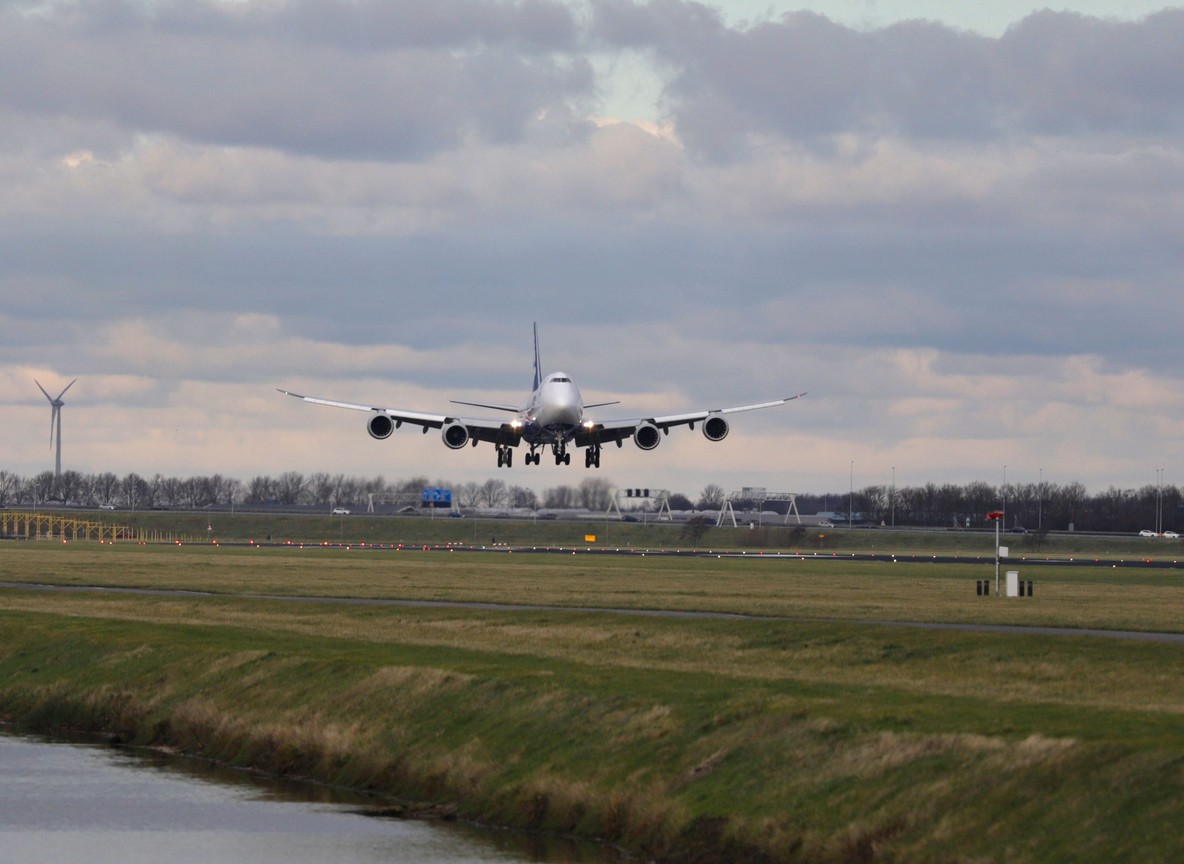
Kenya Airways has flown Nairobi to London Heathrow for decades, usually as its flagship long-haul connection between East Africa and Europe. The airline has leaned on its Boeing 787-8 Dreamliners for this route in recent years. Restoring the larger 777 adds meaningful capacity on one of its highest-demand paths.
More seats on a single flight usually means two things for travelers. First, more fare tiers become available, since a bigger cabin has more seats to sell at each price point. Second, the route holds up better against last-minute demand spikes, the kind that hit hard during July-to-October migration season in the Maasai Mara.
Jomo Kenyatta International Airport (JKIA) remains Kenya Airways’ home hub, and London Heathrow (LHR) is its main UK gateway. The airline is a member of the SkyTeam alliance, so tickets on this route often connect onward through partners like Air France, KLM, or Delta for travelers coming from further afield than London.
Nairobi to London Heathrow: The Route in Numbers
Numbers help more than adjectives here. This is a long-haul sector, and the aircraft type changes how it feels in the cabin, not how far the plane has to fly.
| Route detail | Figure |
|---|---|
| Distance, JKIA to LHR | approx. 6,800 km (4,225 miles) |
| Typical flight time, Nairobi to London | approx. 8 hrs 45 min – 9 hrs 30 min |
| Typical flight time, London to Nairobi | approx. 9 hrs 15 min – 10 hrs (headwinds) |
| Kenya Airways flight numbers | KQ100 (Nairobi-London), KQ101 (London-Nairobi) |
| Current primary aircraft | Boeing 787-8 Dreamliner |
| Aircraft being restored to the route | Boeing 777-200ER |
| Alliance | SkyTeam |
The flight time swing between directions comes from prevailing winds at cruising altitude, not the aircraft itself. Either jet flies the route in roughly the same window. What changes with the 777 is how many people are on board and how the cabin is laid out.
Boeing 777 vs Boeing 787: What Actually Changes for Passengers
Both are widebody jets built for long routes like this one. The difference that matters to a traveler is cabin size, not speed or comfort tier.
| Feature | Boeing 787-8 Dreamliner (current) | Boeing 777-200ER (restored) |
|---|---|---|
| Typical total seats (2-class layout) | approx. 234 | approx. 300-310 |
| Typical Business Class seats | approx. 30 | approx. 30-40 |
| Typical Economy seats | approx. 204 | approx. 260-270 |
| Cabin width | narrower, 2-4-2 economy layout common | wider, 3-3-3 economy layout common |
| Typical range | up to 13,600 km | up to 13,900 km |
| Checked baggage, Economy (indicative) | 2 x 23 kg | 2 x 23 kg |
Seat maps vary by exact aircraft configuration, so treat the seat counts above as indicative ranges rather than a guarantee for any specific flight. The wider 777 cabin usually runs a 3-3-3 economy layout versus the 787’s tighter 2-4-2, which changes how many middle seats exist on a given flight.
What More Seats Mean During Peak Safari Season
Most UK safari travelers book their Kenya Airways nairobi london flight three to nine months ahead, and prices climb fastest in the run-up to July through October, the Great Migration window in the Maasai Mara. A route running at or near full capacity on a smaller jet sells out its cheaper fare classes earlier, which pushes later bookers into pricier tiers.
Adding 777 seats onto the same daily schedule does not guarantee lower fares. It does mean more inventory across the fare ladder at any given time before departure. If you are locking in flights for a July or August safari, this is worth checking directly with Kenya Airways or a travel agent once the aircraft swap takes effect, since seat maps and fare buckets shift with it.
Business travelers and families booking multiple seats together also benefit from a larger cabin, simply because more contiguous seat blocks tend to be open on a bigger jet.
Timing still matters more than aircraft type. A December safari built around Amboseli‘s dry season, or a July trip chasing the Mara river crossings, will always draw heavier demand than shoulder-season travel in April or November. The 777’s extra seats soften the squeeze during those peaks; they do not remove it. Book your international flight and your camp dates together where you can, since a confirmed camp booking with no matching flight, or the reverse, is the most common planning mistake UK travelers make on this route.
Baggage Space and Why It Matters for Camera Gear and Kit
Safari travelers carry more than a typical holidaymaker: telephoto lenses, binoculars, sturdy boots, and layers for cold mornings and hot afternoons. Checked baggage allowance does not usually change with aircraft type on the same fare class, but cabin space for carry-on does.
Indicative Kenya Airways checked baggage on Economy is 2 pieces at 23 kg each; Business Class typically runs higher, often 2 pieces at 32 kg each. These figures are indicative and change by fare type, so confirm your specific booking’s allowance before you pack. A wider 777 cabin generally has more overhead bin space per row, which helps if you are carrying a camera bag as hand luggage rather than checking it.
If your onward safari flight is a light aircraft from Wilson Airport to an airstrip like Musiara (Maasai Mara) or Empusel (Amboseli), those domestic carriers often cap baggage at 15 kg per person, including hand luggage, and prefer soft-sided bags. Pack with that stricter domestic limit in mind, not just the international one.
Getting From Heathrow (and JKIA) to Your Safari Start Point
Landing at JKIA is only the first leg. Most safari departures fly out of Wilson Airport, Nairobi’s dedicated domestic and charter airstrip, not JKIA itself.
| Connection | Distance/time |
|---|---|
| JKIA to Wilson Airport transfer | approx. 20 km, 30-60 min depending on Nairobi traffic |
| Wilson Airport to Musiara Airstrip (Maasai Mara) | approx. 45 min flight |
| Wilson Airport to Amboseli Airstrip | approx. 45 min flight |
| Nairobi to Maasai Mara by road | approx. 270 km, 5-6 hrs drive |
| Nairobi to Amboseli by road | approx. 240 km, 4-4.5 hrs drive |
Build in at least 3 hours between an international arrival at JKIA and a domestic departure from Wilson, more if your Kenya Airways flight lands in the afternoon and traffic is heavy. Some travelers book a single night in Nairobi before flying into the bush, which also helps reset the body clock after a 9-hour overnight flight.
Explorer Notes
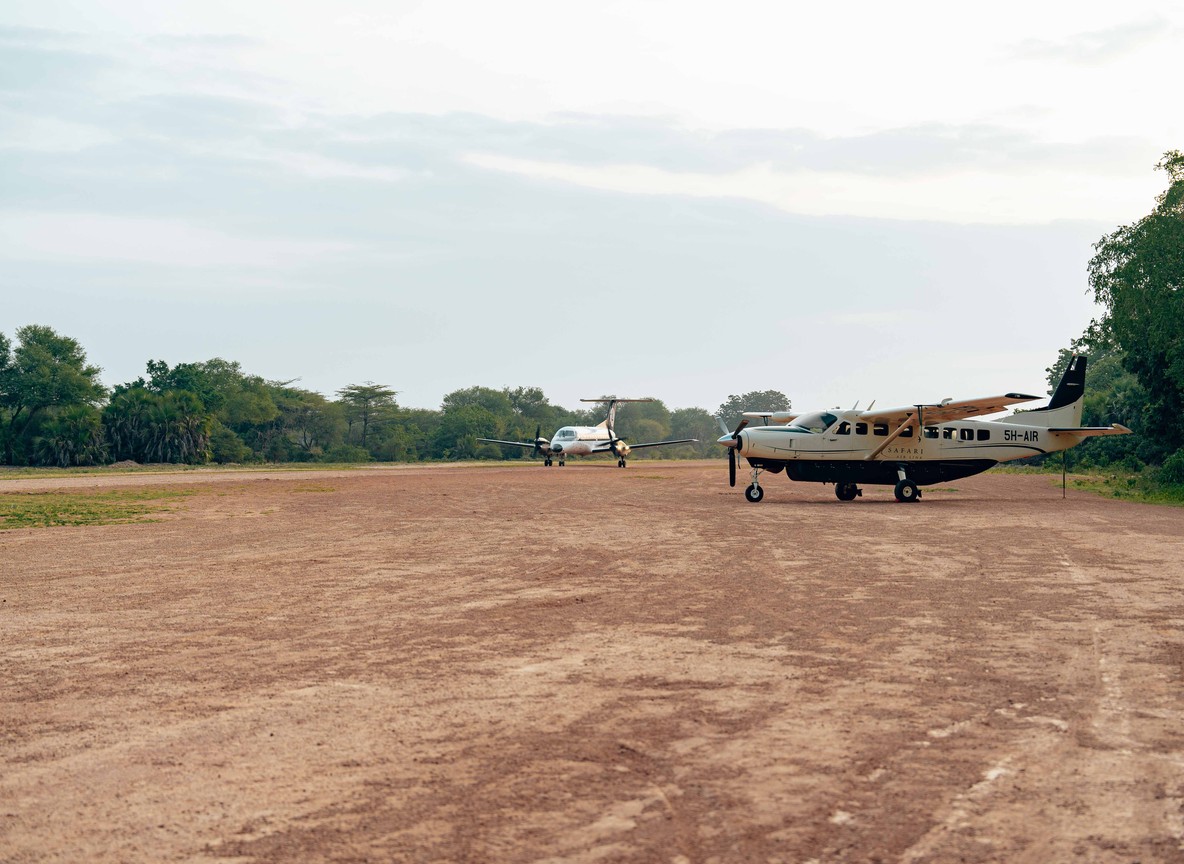
Guides and ground handlers who move guests between JKIA and Wilson every week share a few habits worth copying. Book domestic safari flights only after your international ticket is confirmed, since airstrip schedules shift around incoming widebody arrivals. Ask your safari operator whether they include the JKIA-to-Wilson transfer, since a private transfer beats waiting for a shared shuttle after a long-haul flight. If your Kenya Airways flight lands after 3pm, plan on a Nairobi overnight rather than a same-day bush transfer; domestic airstrips like Musiara do not operate scheduled flights after dark. Finally, weigh your bags at home before you fly. Domestic 15 kg limits catch out travelers who packed to the international 23 kg allowance and have to leave gear behind at Wilson.
FAQ
How long is the Kenya Airways flight from Nairobi to London? Flight time runs approximately 8 hours 45 minutes to 9 hours 30 minutes from Nairobi to London, and slightly longer, roughly 9 hours 15 minutes to 10 hours, on the return leg due to headwinds.
What aircraft does Kenya Airways use on the Nairobi-London Heathrow route? The airline currently flies the Boeing 787-8 Dreamliner on this route and is restoring the larger Boeing 777-200ER, which seats roughly 300-310 passengers versus the 787’s approximately 234.
Does the Boeing 777 change baggage allowance for Kenya Airways passengers? Checked baggage allowance is set by fare class, not aircraft type, so it stays roughly the same: indicative allowances run 2 x 23 kg in Economy and 2 x 32 kg in Business.
How do I get from Nairobi’s international airport to my safari flight? International flights land at JKIA, while safari flights depart from Wilson Airport, about 20 km away. Budget at least 30 to 60 minutes for the transfer plus buffer time.
Is it better to book a Kenya safari flight when Kenya Airways uses a bigger aircraft? A larger 777 cabin generally means more fare tiers stay available for longer before a route sells out, which can help travelers booking for peak migration season, though it is not a guarantee of lower prices.
A bigger aircraft on this route is a planning detail worth building into your itinerary, not just an aviation footnote. Visit our Tour Packages page to line up a Kenya safari itinerary around your Nairobi-London flight dates, or ask a partner operator to handle your JKIA-to-Wilson connection so the long-haul leg is the easy part of the trip.
What to Read Next
- How Many Nights Per Camp: A Kenya Safari Pacing Formula
- Kenya Safari Budget vs Luxury: Where the 2026 Divide Really Sits
- Kenya Honeymoon Safari Bookings Are Rising in 2026: What’s Driving It